
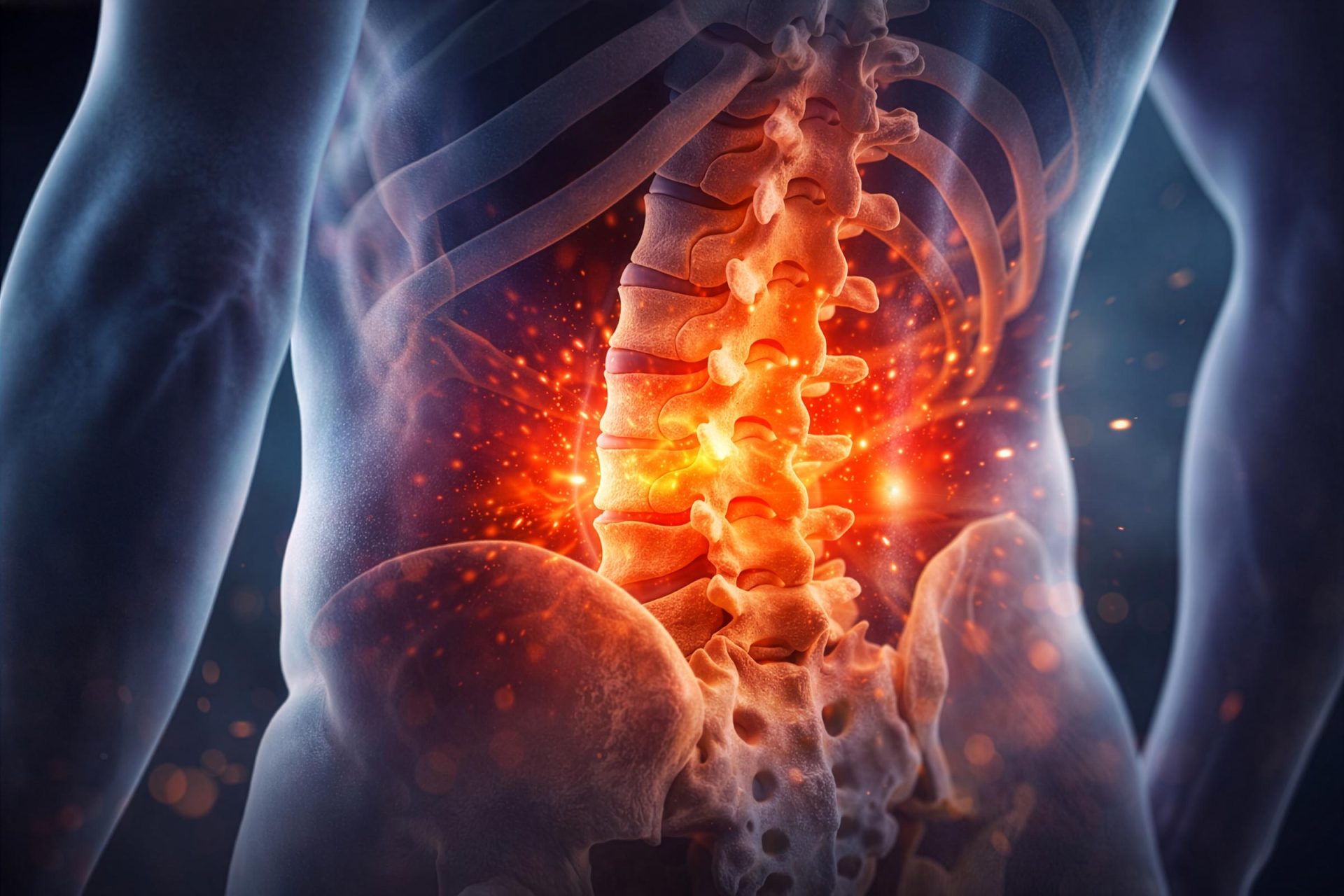
Inhalation of essential oils is one of my primary therapeutic approaches and serves as a foundational technique in all treatments, including those for lumbar pain. While various inhalation methods have been described by numerous authors, I specifically favour the direct inhalation technique.
Direct inhalation from the essential oil bottle is the simplest, most effective, and contamination-free method, providing excellent therapeutic results. This technique was developed and tested by me during the preparation of my scientific paper on the efficacy of Black pepper (Piper nigrum) essential oil in the treatment of lumbar pain. Given its proven efficacy and efficiency based on the observed outcomes, it remains a method I use consistently.
The breathing technique is as follows: inhale deeply directly from the bottle, hold the air in the abdomen for a few seconds, and then exhale through the mouth. This procedure should be repeated at least seven times consecutively, with short intervals of stimulation to the body, and performed four times a day. By doing so, the brain and the entire organism are stimulated, activating all compensatory mechanisms to restore both physical and emotional balance.
Black pepper essential oil is particularly effective in providing significant relief for this condition due to its analgesic and anti-inflammatory properties. These effects result from the presence of phytochemicals such as 1,8-cineole, sabinene, linalool, and β-caryophyllene. In a study I conducted in 2015, it was observed that direct inhalation of the essential oil for 15 minutes led to a nearly 50% reduction in pain intensity among the 30 participating subjects (Costa, 2015).
In the following years, other scientific articles have corroborated the efficacy of Black pepper as an analgesic and anti-inflammatory agent, highlighting its potential as an alternative to conventional pharmacotherapy and classifying it as a bioenhancer in pain management (Mahboudi, 2021).

Another scientific study evaluated the effects of therapeutic massage on 30 subjects suffering from nonspecific lower back pain for more than six months. The participants underwent 20-minute sessions three times a week using a combination of vegetable oil and Black pepper essential oil. The results demonstrated a significant reduction in pain, reinforcing the oil’s anti inflammatory and antinociceptive properties (Elumalai, 2022).
Therefore, the combined use of these two therapeutic techniques (direct inhalation of essential oils and the application of massage) could form a highly effective approach in the management of lumbar pain. Below, I present a selection of essential oils that, when used synergistically, constitute an excellent formulation for the treatment of lumbar pain.
Geranium (Pelargonium graveolens) essential oil has also proven effective in alleviating lower back pain associated with psychological factors such as anxiety, particularly through inhalation (Seo, 2023). The relationship between anxiety and nonspecific lower back pain has been extensively discussed in scientific literature, and essential oils have shown promising potential in its management. Thus, when a patient reports going through an emotionally challenging period, inhalation of Geranium essential oil is a relevant therapeutic option. I frequently combine it with Black pepper, splitting the 15-minute inhalation period between the two essential oils.
Following inhalation, the therapeutic approach proceeds with massage using the following essential oils:
| Phases | INCI name | W% | ML | Drop of essential oil |
| A | Arnica montana carrier oil | 98,98% | 98,98 ml | |
| B | Piper nigrum essential oil | 0,24 % | 0,24 ml | 8 |
| C | Artemisia drancunculus essential oil | 0,21 % | 0,21 ml | 7 |
| D | Gualtheria frangantissima essential oil | 0,27 % | 0,27 ml | 9 |
| E | Lavandulla angustifolia essential oil | 0,3 % | 0,3 ml | 10 |
| Total | 100 % | 100 ml | 100ml |
In conclusion, aromatherapy has proven to provide significant benefits in various treatments, including the management of lower back pain, opening new exploratory paths for innovative formulas and experiments in the treatment of other pain-related conditions. The use of essential oils such as Piper nigrum, Pelargonium graveolens, and Lavandula angustifolia, demonstrates the growing potential of natural therapies as effective alternatives or complements to conventional pharmacotherapy. Through studies and real-world applications, these essential oils have shown promising results in reducing pain and inflammation, as well as alleviating the psychological factors associated with chronic pain. Furthermore, the combination of essential oils with massage therapy and complementary treatments, like macerated Arnica montana oil, provides an integrative approach that enhances therapeutic outcomes.
As research continues to support their efficacy, essential oils are becoming an invaluable tool in holistic pain management, offering patients a natural, non-invasive alternative for improving quality of life.
References
Almeida, D. C., kraychete, D. C. (2017). Low back pain – a diagnostic approach. Revista dor, 18, P.173-177.
Andersson, G. B. (1999). Epidemiological features of chronic low back pain. The Lancet, 354 (9178), P. 581-585.
Balagué, F., Mannion, A. F., Pellisé, F., & Cedraschi, C. (2012). Non-specific low back pain. The Lancet, 379 (9814), P.482-491.
Bouyahya, A., Chamkhi, I., Benali, T., Guaouguaou, F. E., Balahbib, A., El Omari, N., El Menyiy, N. (2021). Traditional use, Phytochemistry, Toxicology, and pharmacology of Origanum majorama l. Journal of Ethnopharmacology, 265, 113318.
(Costa, 2015) Costa, R., Abreu, C., & Machado, J., (2016) Effectiveness of Piper nigrum essential oil in the treatment of back pain. Experimental Pathology and Health Sciences 2016;8 (2): P.81-84. https://escolaraquelcosta.com/wp-content/uploads/2021/04/12-Raquel-Costa-Short-2016-1.pdf
Cerezer, M. F., Nedel, S. S., Christmann, M., Nunes, l. S., Vieira, I. S., Badke, M. R., Branco, J. C. (2021). Lavender essential oil for spinal pain in obese women: a clinical trial. Coluna/columna, 20, P.192-196.
Elumalai, G., Abadi, F. H., Kuling, N. L. A., Sankaraval, M., Hosseinabadi, T. (2022). The effect of massage therapy with black pepper oil on pain perception of non-specific low back pain: a randomised control trial. Journal of Pain Management, 15 (2).
Eslami, A. H. (2024). Antinociceptive effect of Artemisia dracunculus essential oil in formalin test and possible involvement of serotoninergic receptors and nitric oxide pathway. Research Journal of pharmacognosy, 11 (1), P.1-4.
You, J., Shin, Y. K., Seol, G. H. (2024). Alleviating effect of lavender (Lavandula angustifolia) and its major components on postherpetic pain: A randomised blinded controlled trial. BMC Complementary Medicine and Therapies, 24 (1), 54.
Kamber, H. M., Al-marzooq, T. J. M., Hussein, M. A., Hassan, Q. A., Marzouq, A. A. (2020). The use of cinnamon (Cinnamomum bark) for patients with chronic prostatitis/chronic pelvic pain syndrome: a randomised controlled trial. Open access Macedonian Journal of Medical Sciences, 8 (b), P.439-445. Kouzi, S. A., Nuzum, D. S. (2007). Arnica for bruising and swelling. American Journal of Health-system Pharmacy, 64 (23), P. 2434-2443. Luders, R. G. (1994). The role of essential oils in the management of mechanical low back pain (doctoral dissertation).
Lombrea, A., Antal, D., Ardelean, F., Avram, S., Pavel, I. Z., Vlaia, l., Danciu, C. (2020). A recent insight regarding the phytochemistry and bioactivity of Origanum Vulgare l. essential oil. International Journal of Molecular Sciences 21(24), 9653.
Maham, M., Moslemzadeh, H., Jalilzadeh-amin, G. (2014). Antinociceptive effect of the essential oil of Tarragon (Artemisia Dracunculus). Pharmaceutical Biology, 52 (2), P. 208-212.
Mahboubi, M. (2021). Pepper as analgesic and anti-inflammatory alternative and bio-enhancer agent for treatment of pain. Proceedings of the National Academy of Sciences, India section b: Biological Sciences, 91( 3), P.487-493.
Nongkhlaw, F. T., Malsawmtluangi, C., Lapasam, P., Lalthasanga, A. (2020). Phytochemical screening, analgesic activity, and antidepressant activity of the methanol extract of gaultheria fragrantissima wall. in wistar rats. Asian Journal of Pharmaceutical and Clinical Research, 13 (11), P.45-49.
Patel, D., Joshi, N., Thakar, P. (2019). Evaluation of the safety and efficacy of Jointaid oil in patients with acute and chronic musculoskeletal pain: an open label, non comparative, multicentre clinical trial. International Journal of Pharmaceutical Research (09752366), 11 (1).
Rivaz, M., Rahpeima, M., Khademian, Z., Dabbaghmanesh, M. H. (2021). The effects of aromatherapy masaage with lavender essential oil on neuropathic pain and quality of life in diabetic patients: a randomised clinical trial. Complementary Therapies in Clinical Practice, 44, 101430.
Sanna, M. D., Les, F., Lopez, V., Galeotti, N. (2019). Lavender (lavandula angustifolia mill.) Essential oil alleviates neuropathic pain in mice with spared nerve injury. Frontiers In Pharmacology, 10, 472.
Seo, E., Cho, Y., Lee, J. M., Seol, G. H. (2023). Inhalation of Pelargonium Graveolens essential oil alleviates pain and related anxiety and stress in patients with lumbar spinal Stenosis and moderate to severe pain. Pharmaceuticals, 17 (1), 1.
Sugier, P., Jakubowicz-gil, J., Sugier, D., Kowalski, R., Gawlik-dziki, U., Kołodziej, B., Dziki, D. (2020). Chemical characteristics and anticancer activity of essential oil from arnica montana l. rhizomes and roots. Molecules, 25 (6), 1284.
Sung, W. S., Hong, Y., Jeon, S. R., Yoon, J., Chung, E. K., Jo, H. G., Nam, D. (2020). Efficacy and safety of Thread embedding acupuncture combined with accupuncture for chronic low back pain: a randomised, controlled, assessor-blinded, multicentre clinical trial. Medicine, 99 (49), E22526. You, J., Shin, Y. K., Seol, G. H. (2024). Alleviating effect of lavender (Lavandula angustifolia) and its major components on postherpetic pain: a randomised blinded controlled trial. BMC Complementary Medicine and Therapies, 24 (1), 54.
 Seminário "Sistema Tegumentar"
450.00 €
Seminário "Sistema Tegumentar"
450.00 €Brevemente
 Seminário "Sistema Respiratório"
450.00 €
Seminário "Sistema Respiratório"
450.00 €Disponível
 Aromaterapia Clínica na Gravidez e Preparação para o Parto
150.00 € IVA incluído
Aromaterapia Clínica na Gravidez e Preparação para o Parto
150.00 € IVA incluídoDisponível
